
When choosing the perfect lawn, homeowners, businesses and sports facilities often debate synthetic and natural turfgrass. Each option has its advantages and drawbacks, and the best choice depends on cost, maintenance, aesthetics and environmental impact.
In this article, we’ll break down the pros and cons of each to help you make an informed decision.
Natural Turfgrass
Pros:
- Aesthetic Appeal & Cooling Effect
Natural turfgrass provides a thick, vibrant, natural look that synthetic alternatives struggle to replicate. It also absorbs heat, keeping your lawn cooler during hot summer days. - Environmental Benefits
Grass plays a crucial role in oxygen production, carbon sequestration and rainwater filtering, reducing runoff and improving groundwater quality. - Softness & Comfort
Walking, playing or lying on natural grass is more comfortable due to its organic cushioning effect, making it ideal for backyards, parks and sports fields. - Biodiversity & Soil Health
A healthy lawn promotes biodiversity by providing a habitat for beneficial insects and organisms and enhancing soil health.
Cons:
- High Maintenance Requirements
Natural turfgrass requires regular mowing, watering, fertilization and aeration to stay dense and healthy, which can be time-consuming and costly. - Weather Sensitivity
Drought, heavy rainfall and extreme temperatures can negatively impact the health and appearance of natural grass. - Pest & Weed Issues
Natural grass can be susceptible to pests, weeds and diseases, requiring additional treatments and care to maintain its condition.
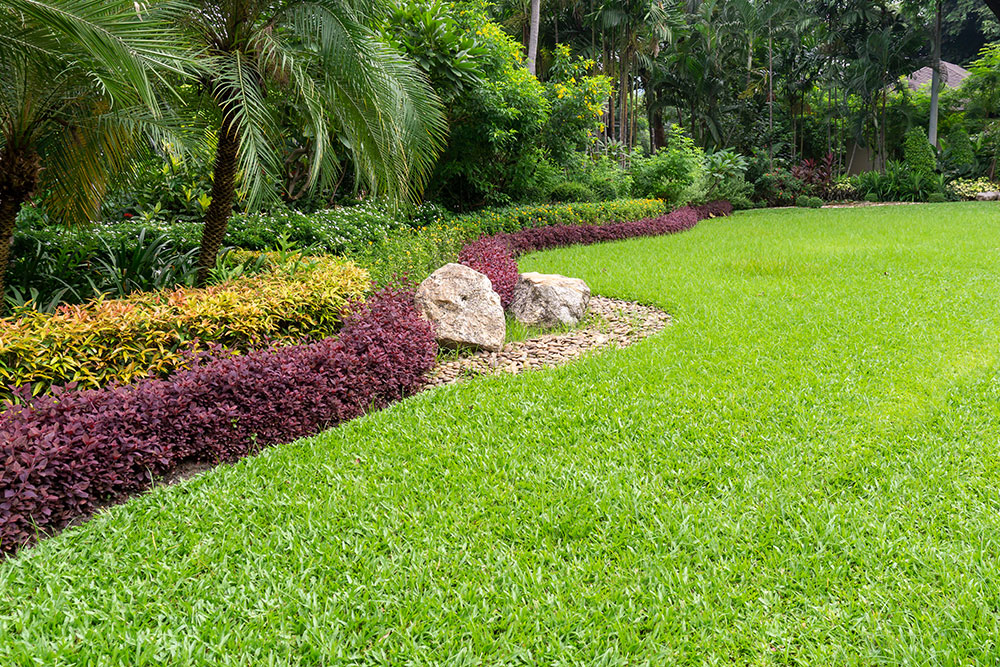
Recommended Natural Turfgrass Options
Carolina Fresh Farms offers high-quality natural turfgrass varieties suited for different climates and needs. Some of our top recommendations include:
- TamStar St. Augustine – Ideal for warm climates with excellent drought tolerance.
- 419 Bermuda – A resilient, fine-textured grass commonly used on sports fields and golf courses.
- Carolina Blue Fescue – A great cool-season grass with superior shade tolerance.
- Royal Zoysia Sod – Offers a dense and durable lawn with a rich green appearance.
Synthetic Turfgrass
Pros:
- Low Maintenance
Unlike natural grass, synthetic turf requires minimal upkeep. There’s no need for mowing, watering, fertilization or pest control, making it a great option for those seeking a hassle-free lawn. - Durability & Longevity
Synthetic grass is designed to withstand heavy foot traffic and adverse weather conditions, making it an excellent choice for sports fields, playgrounds and commercial properties. - Water Conservation
Since synthetic turf doesn’t require watering, it significantly reduces water usage, which is especially beneficial in drought-prone areas. - Year-Round Greenery
Artificial turf maintains its green, manicured appearance year-round, regardless of seasonal changes or weather conditions.
Cons:
- Heat Retention
Synthetic turf can absorb and retain heat, making it uncomfortably hot to the touch during warm weather, which can be a concern for children and pets. To combat this, products like Wonderfill infill help regulate temperature and improve comfort. - Higher Initial Cost
While synthetic turf requires less maintenance, the upfront installation cost can be significantly higher than that of natural grass. - Environmental Concerns
Synthetic grass is made from plastic materials, which contribute to pollution and are non-biodegradable. Additionally, it doesn’t offer the same ecological benefits as natural turfgrass. - Limited Lifespan & Replacement Costs
While synthetic turf is durable, it does have a lifespan of about 10–20 years, after which it will need to be replaced, adding to its long-term costs.
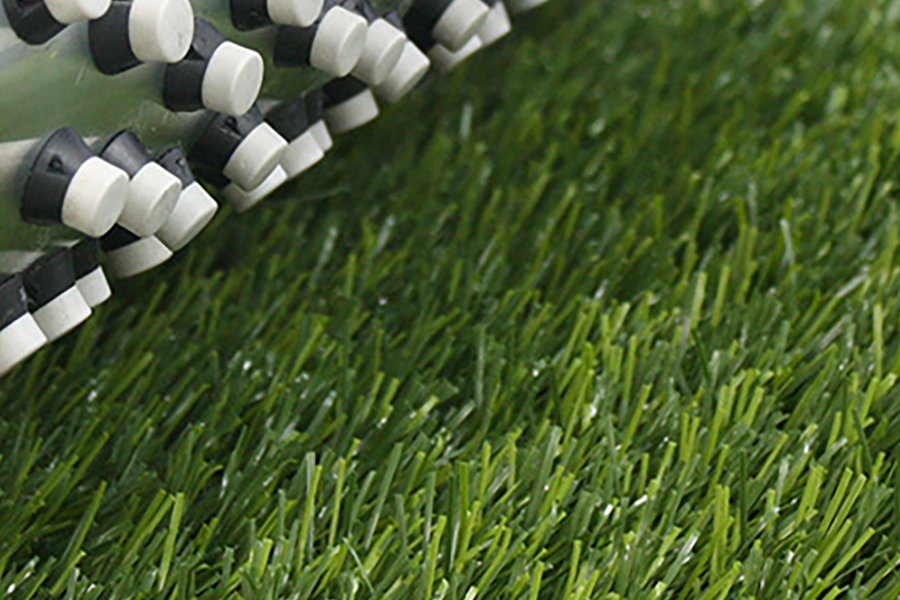
Enhancing Synthetic Turf
Products like CPTurf offer high-quality synthetic grass solutions for those considering artificial turf. Mapei provides industry-leading adhesives and installation materials for long-lasting performance.
Making the Right Choice
Choosing between synthetic and natural turfgrass depends on your priorities. If you value an eco-friendly, natural and aesthetically pleasing lawn and don’t mind the upkeep, natural grass may be your best bet. However, if you’re looking for a low-maintenance, durable and year-round green option, synthetic turf could be the right choice.
At Carolina Fresh Farms, we provide high-quality natural turfgrass options suited for various climates and needs. Whether you prefer the beauty of natural grass or are considering synthetic alternatives, our experts can help you select the best solution for your lawn. Contact us today to explore your options and find the perfect turf for your space!